Sleep & recovery · Sleep
Wind down for deeper rest: near-infrared light and the evening reset
Your retina reads light as a clock signal. Most evenings, the clock is being told it is still noon.
6 August 2026 · 11 min read
Key takeaways
- Intrinsically photosensitive retinal ganglion cells are most sensitive to blue light around 480 nm.
- Red and near-infrared light barely stimulate them, so an evening session does not suppress melatonin.
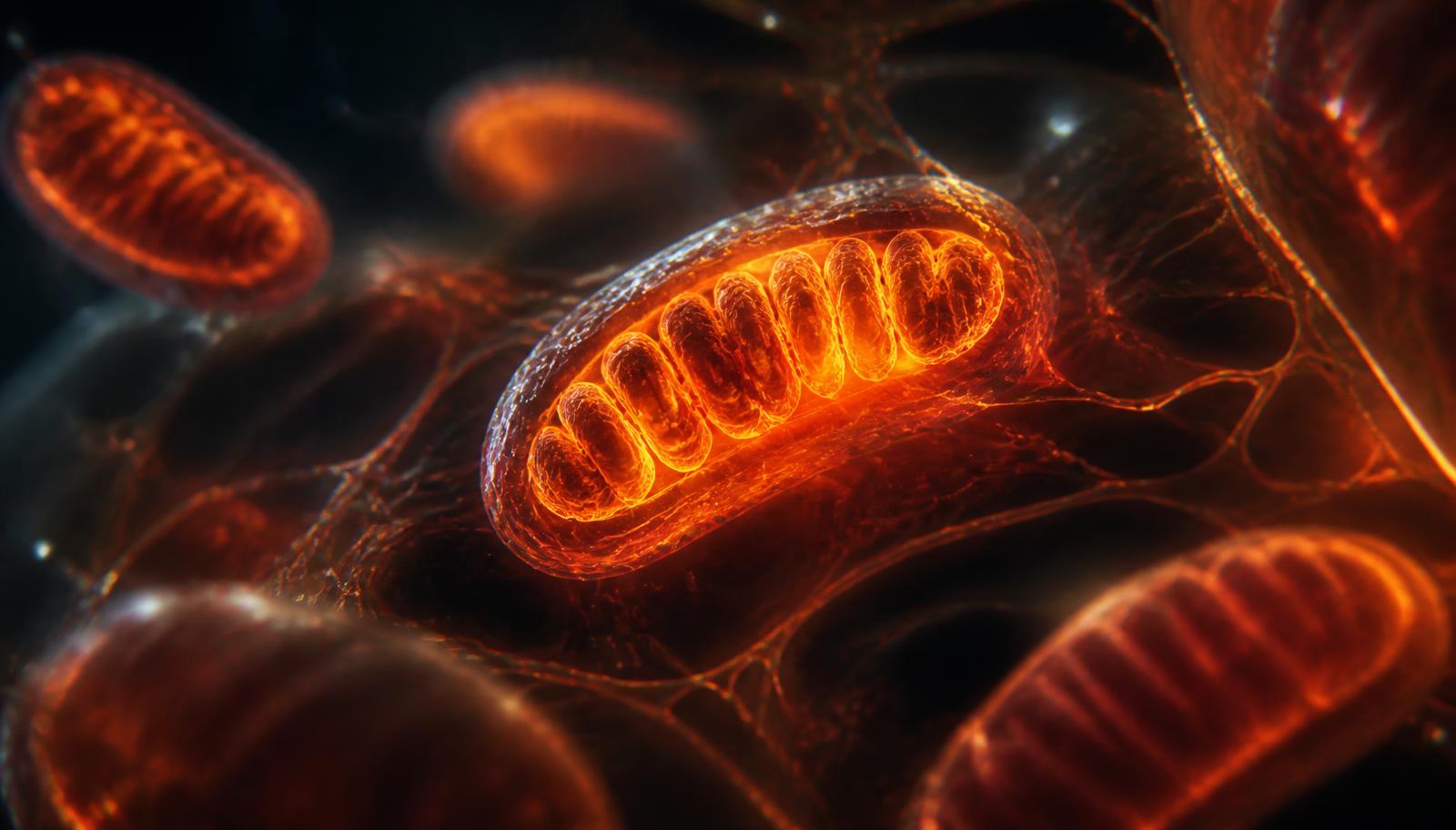
- Near-infrared supports mitochondrial function in tissues that repair overnight.
- A screen-free light ritual is a behavioural cue as much as a biological one.
- Finish your session 60–120 minutes before bed and keep the room dim afterwards.
Light is the master clock signal
Deep in the hypothalamus, the suprachiasmatic nucleus keeps a roughly 24-hour rhythm that governs core body temperature, cortisol, digestion, alertness and melatonin. It does not run on its own — it is entrained daily, primarily by light hitting a specialised set of retinal cells containing the photopigment melanopsin.
Melanopsin has a peak sensitivity around 480 nm: blue. Which means the light that most strongly tells your brain 'it is daytime' is exactly the light emitted by phone screens, laptops, LED ceiling fixtures and most modern lighting. An hour of bright blue-rich light at 22:00 can delay melatonin onset and push your entire sleep architecture later.
480 nm
Peak melanopsin sensitivity — blue
≈90 min
Melatonin onset delay reported after evening bright light
<10 lx
Ideal ambient light in the last hour before bed
Why red and near-infrared behave differently
Melanopsin's sensitivity curve falls off steeply towards longer wavelengths. By 660 nm the stimulation is a fraction of the blue peak; at 850 nm the light is not visible at all and the circadian signalling contribution is effectively negligible.
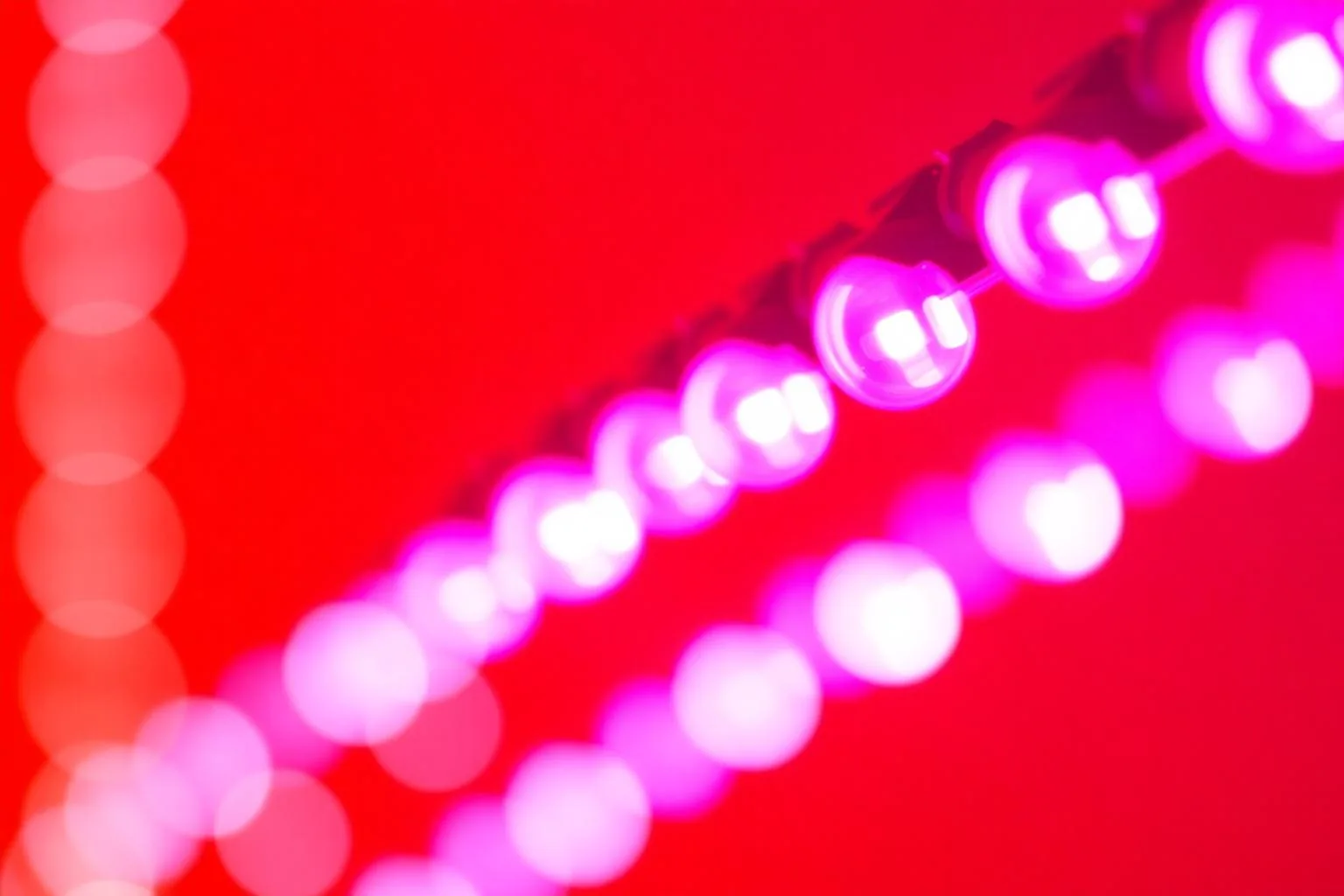
That gives red and near-infrared a rare property: they deliver a meaningful biological dose to tissue without telling your brain it is daytime. You get the mitochondrial effect without the circadian cost. No other bright light source in your evening can claim that.
| Evening light source | Circadian disruption | Cellular benefit |
|---|---|---|
| Phone or laptop screen | High | None |
| Overhead white LED | High | None |
| Warm dim lamp | Low | None |
| Red / near-infrared session | Very low | High |
What near-infrared supports while you sleep
Sleep is the body's maintenance window. Growth hormone pulses during slow-wave sleep, muscle protein synthesis continues, the glymphatic system clears metabolic waste from the brain, and immune memory is consolidated. Every one of those processes runs on ATP.
- Muscle and connective tissue: improved mitochondrial output supports the repair work that peaks overnight.
- Nervous system: better cerebral perfusion has been associated with subjective improvements in sleep quality and morning alertness.
- Inflammation: modulated inflammatory signalling can reduce the low-grade discomfort that fragments sleep.
- Behaviour: twenty minutes without a screen is a powerful downshift signal on its own.
Half the benefit is photobiological. The other half is that you spent twenty minutes not scrolling.
The 20-minute wind-down protocol
- T-120 min: last caffeine long gone; dim the overhead lights and switch to lamps below eye level.
- T-90 min: begin your session. 10–20 minutes at 30–40 cm, on bare skin, torso and back where possible.
- During: no phone. Breathe slowly — a longer exhale than inhale nudges the parasympathetic system.
- T-60 min: warm shower. The subsequent drop in core temperature is one of the strongest sleep-onset cues.
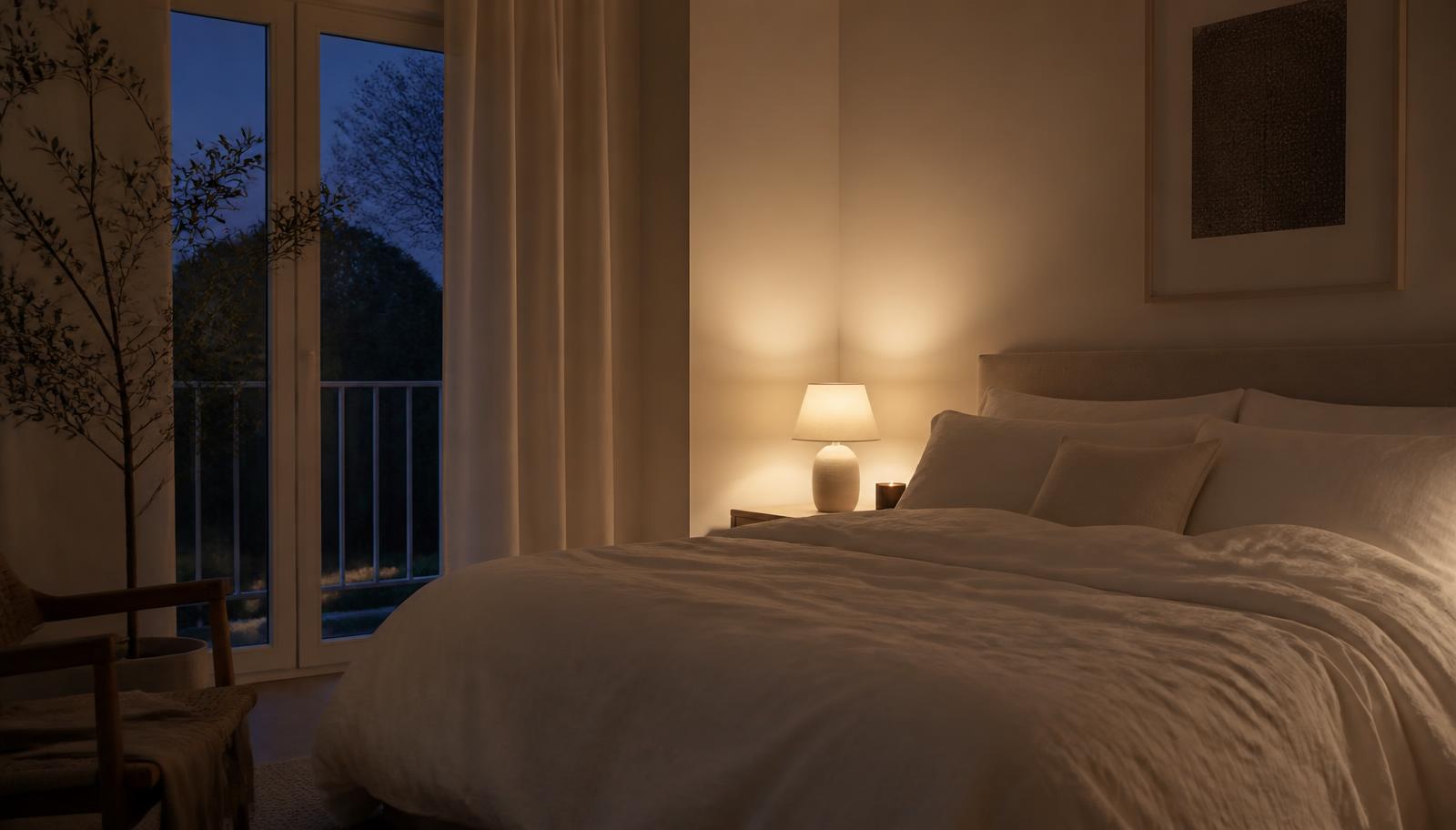
- T-30 min: reading on paper or an e-ink screen, room lighting warm and low.
- Lights out: bedroom as dark and cool as you can make it, ideally 17–19 °C.
Consistency over perfection
Doing this five nights a week for a month will move your sleep metrics further than a perfect week followed by nothing. Your circadian system responds to repetition.
How to know it is working
Sleep improvements are easy to imagine and easy to miss. Track something. A wearable is convenient but not required — a two-line note each morning is enough if it is consistent.
- Time to fall asleep (subjective estimate is fine).
- Number of remembered night wakings.
- Morning readiness on a simple 1–5 scale.
- Resting heart rate and HRV overnight, if your device measures them.
Give it three to four weeks before drawing conclusions, and change one variable at a time. If you add red light, a magnesium supplement and a new mattress in the same week, you will learn nothing about any of them.
Frequently asked questions
Does red light therapy help you sleep better?
Evening red and near-infrared sessions support sleep in two ways: they deliver a biological dose without stimulating the melanopsin-containing retinal cells that suppress melatonin, and they replace screen time with a calm, screen-free ritual. Studies on evening light therapy report improvements in subjective sleep quality and morning alertness.
When should I do a red light session for sleep?
Finish 60 to 120 minutes before your intended bedtime. That leaves room for the post-session calm to settle and for the natural evening drop in core body temperature to do its work.
Will red light at night keep me awake?
It is unlikely. Unlike blue-rich white light, red and near-infrared wavelengths barely stimulate the circadian photoreceptors that delay melatonin. If you feel energised afterwards, shorten the session or move it earlier in the evening.
Can I use red light therapy in the bedroom?
Yes, and many people do — but keep the session itself out of the bed. Associating the bed only with sleep is one of the most reliable sleep hygiene principles there is.